What Does an Oral Cancer Screening Actually Look Like During a Routine Dental Visit?
March 18, 2026 9:00 amMost people expect a dental visit to focus on teeth—checking for cavities, cleaning buildup, maybe taking X-rays. What often goes unnoticed is that your dentist is also paying close attention to the soft tissues in your mouth.
An oral cancer screening is part of that process. It’s quick, thorough, and usually blends right into your exam. In fact, many patients are surprised to learn it’s already happening during their visit.
At Norman, Obeck, & Foy Dentistry in Richmond, VA, Dr. Andrew Norman, Dr. Kurt Obeck, and Dr. Randall Foy include oral cancer screenings as a routine part of care. It’s one of those quiet but important steps that helps protect your overall health.
A Careful Look at the Soft Tissues
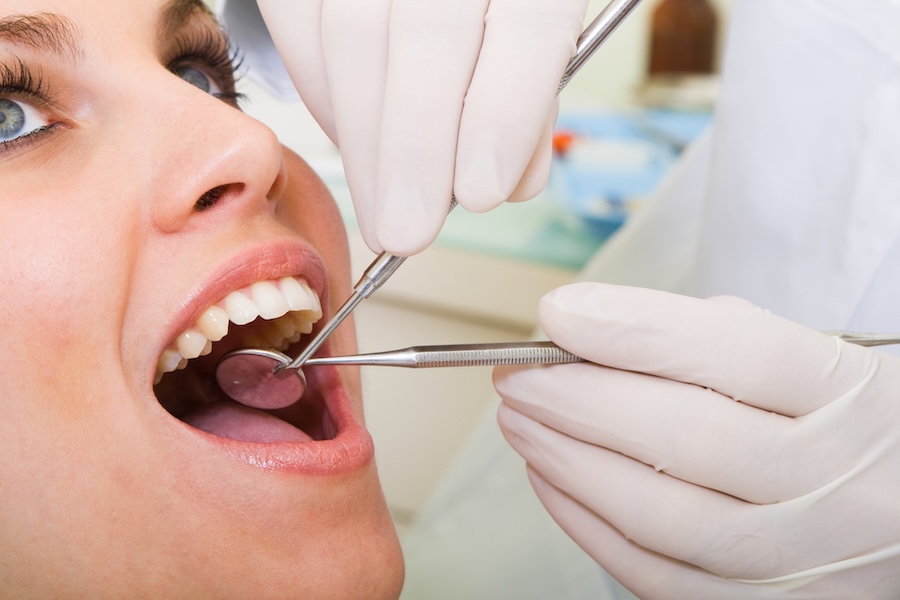
During your exam, your dentist evaluates more than just your teeth. The lips, cheeks, gums, tongue, and the roof and floor of your mouth are all part of that review.
They’re looking for anything that stands out from what’s typical, such as:
Red or white patches
Areas that look irritated or don’t match surrounding tissue
Sores that don’t appear to be healing
Changes in texture or color
Because dentists see patients regularly, they get a sense of what’s normal for you. That makes it easier to pick up on small changes that might otherwise go unnoticed.
In some cases, your dentist may also take photos using an intraoral camera. These images make it easier to compare an area over time if something needs to be monitored.
A Closer Look at the Tongue and Hard-to-See Areas
Your dentist may gently move your tongue from side to side to get a better look at areas that aren’t easy to see on your own.
The sides and underside of the tongue, along with the floor of the mouth, are checked carefully. These areas don’t get much attention day to day, but they’re important to include in a complete screening.
This part of the exam is quick and typically comfortable, but it allows for a more thorough evaluation.
Feeling for Changes Beneath the Surface
In addition to looking, your dentist will also feel along certain areas. Light pressure may be applied along the jaw, under the chin, and along the neck to check for any unusual lumps or swelling. Inside the mouth, the soft tissues may also be gently pressed to detect changes that can’t be seen.
It’s a simple step, but it helps round out the screening.
Why It’s Done at Routine Visits
Oral cancer screenings are included regularly because changes in the mouth don’t always cause obvious symptoms.
Over time, your dentist builds a baseline for what your oral tissues look like. That makes it easier to recognize when something looks different—even if the change is subtle.
Oral cancer is far more treatable when found early, which is why these screenings are part of ongoing care rather than something done only when there’s a concern.
What If Something Looks Unusual?
Most findings during a screening are not serious. Small irritations in the mouth are actually pretty common—burning the roof of your mouth on hot pizza, poking your gums with a sharp chip, or biting your cheek without realizing it.
These types of spots usually heal on their own within a week or two.
If an area doesn’t seem to be healing or has certain characteristics, your dentist may recommend keeping an eye on it for a short period. If it still hasn’t resolved, or if it raises concern, a biopsy may be recommended to take a closer look and rule out anything more serious.
This approach helps get clear answers without jumping to conclusions.
Who Benefits From Oral Cancer Screenings?
While certain risk factors—such as tobacco and alcohol use—are well known, oral cancer can affect more people than many expect.
One important shift in recent years is the growing role of HPV. As smoking rates have decreased, HPV-related oral cancers have become more common, and many adults may be at risk without realizing it. This has made routine screenings even more important, even for patients who do not have traditional risk factors.
Because of this, screenings are recommended for all adult patients as part of routine dental care.
Oral Cancer Screenings at Norman, Obeck, & Foy Dentistry in Richmond, VA
An oral cancer screening is a small part of your dental visit, but it serves a much larger purpose. It’s a careful, consistent way to look for changes that might otherwise go unnoticed.
At Norman, Obeck, & Foy Dentistry in Richmond, VA, Dr. Andrew Norman, Dr. Kurt Obeck, and Dr. Randall Foy include this screening as part of every comprehensive exam. It’s one more way your dental visit supports not just your teeth, but your overall health.
If it’s been a while since your last visit or you have questions about what your exam includes, scheduling an appointment at Norman, Obeck, & Foy Dentistry in Richmond, VA is a simple step toward staying proactive about your oral health.
CONTACT USCategorized in: Oral Cancer Screening, Preventive Dentistry