Oral Cancer Screenings in Richmond: Why This Simple Exam Deserves a Place in Your Routine
April 23, 2026 9:00 amIt’s a small part of your dental visit, and it’s easy to miss if you’re not thinking about it. During your exam, your dentist takes a moment to check the soft tissues in your mouth. It doesn’t take long, and it doesn’t feel like a separate step. Still, it’s one of those parts of the visit that carries more value than most people realize.
Oral cancer screenings are built into routine dental care for a reason. They’re designed to catch subtle changes early—often before anything feels off or stands out on its own. Because of that, even though the exam is brief, it plays an important role in keeping track of your overall oral health.
What an Oral Cancer Screening Actually Involves
An oral cancer screening is a visual and physical check of the tissues in and around your mouth.
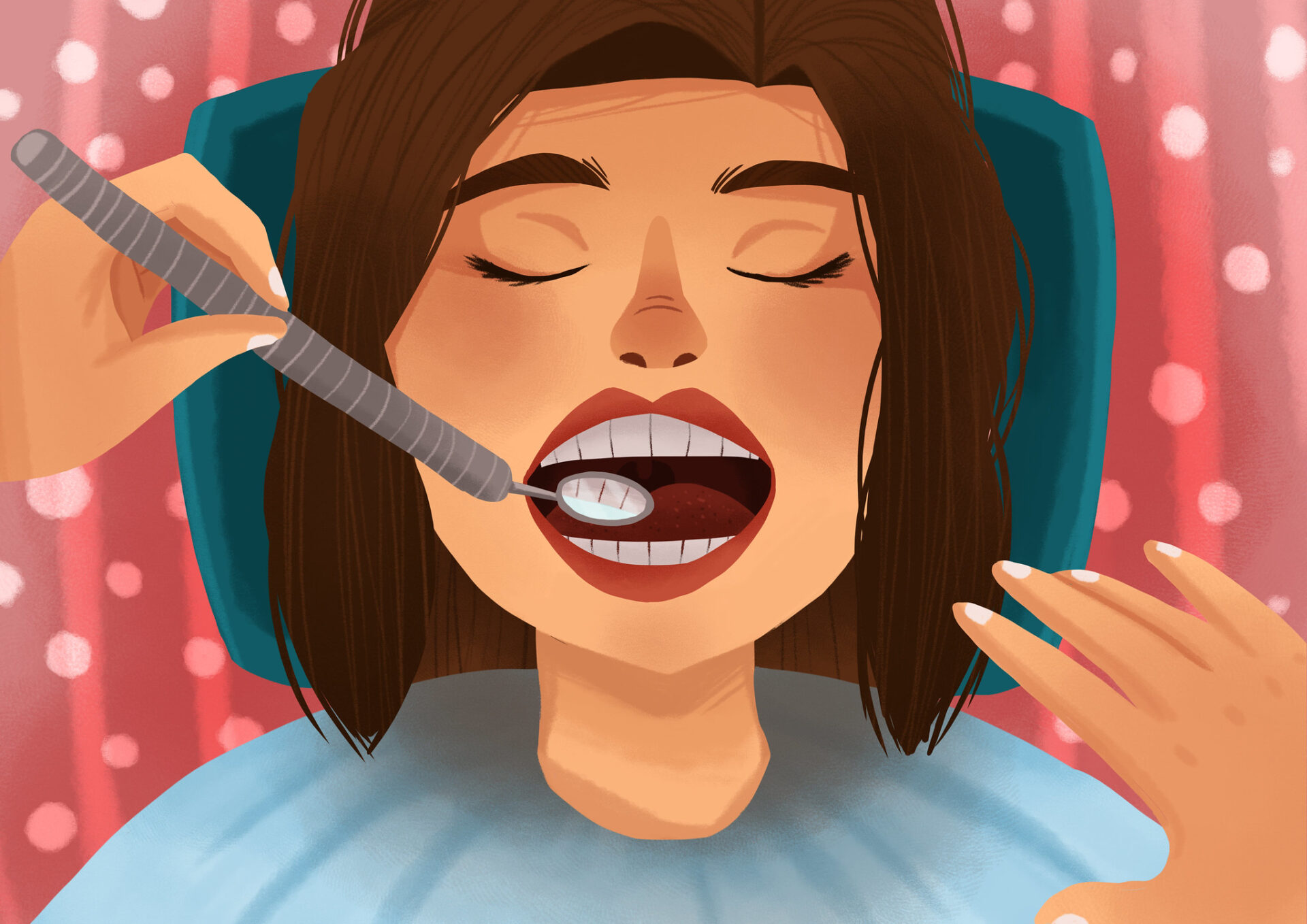
Your dentist will look at your tongue, cheeks, gums, lips, and the roof and floor of your mouth. They may also gently feel along your jaw, neck, and under your chin to check for any unusual lumps or changes in tissue.
You’ll likely be asked to open wide, move your tongue, or say “ah” so the back of your throat can be seen more clearly. It’s all very straightforward, and it flows naturally as part of your exam. Most of the time, patients don’t even realize how much is being checked in just a few minutes.
Why These Screenings Matter—Even Without Symptoms
One of the reasons this exam is part of routine care is that early changes don’t usually come with clear symptoms.
There may not be pain or anything that feels urgent. Instead, the earliest signs tend to be small—slight changes in color, texture, or how the tissue looks. Those aren’t the kinds of things most people would notice on their own.
That’s where consistency helps. Seeing these areas regularly allows your dentist to recognize when something looks different from what’s typical for you. When something is caught early, the next steps are often simpler. It doesn’t mean every finding is serious, but it does mean there’s a chance to address concerns sooner rather than later.
What Dentists Are Looking For
During a screening, the focus is on anything that doesn’t match what healthy tissue usually looks or feels like.
That might include red or white patches, darker areas, or sores that don’t seem to heal. In other cases, it could be a lump, a thickened area, or a spot that feels different when touched.
Sometimes it’s not just what’s visible. Texture matters too. An area that feels firmer or rougher than expected can stand out during the exam, even if it’s subtle. Most of the time, these findings turn out to be minor, but noticing them early helps guide what, if anything, needs to happen next.
Who Is at Higher Risk for Oral Cancer
Oral cancer can affect a wide range of patients, but certain factors can increase the risk.
Tobacco use—whether smoking or smokeless—remains one of the most significant contributors. Alcohol use, especially when combined with tobacco, can also raise risk levels. In addition, human papillomavirus (HPV), particularly certain strains, has become a more common factor in oral cancer cases.
HPV-related oral cancer is seen more often in men, although it can affect women as well. Because of that, it’s something that’s relevant to keep in mind across the board. There is also a vaccine that helps protect against the strains of HPV most commonly linked to these cancers. It’s typically discussed earlier in life, but it’s still part of the broader picture when it comes to prevention.
Age can also play a role, although oral cancer is not limited to older adults. Since risk doesn’t always come from just one factor, routine screenings are still valuable even if none of these stand out to you personally.
What You Can Watch for at Home
Between visits, there are a few things that are worth paying attention to.
That includes sores that don’t heal within a couple of weeks, red or white patches, or areas that feel thicker or different than usual. Some people also notice a persistent sore throat, difficulty swallowing, or a feeling that something isn’t quite right but can’t easily describe it.
Changes like these don’t automatically mean something serious. Still, when something lingers longer than expected, it’s worth having it checked rather than waiting it out.
How Often Should You Have an Oral Cancer Screening?
For most patients, this screening happens as part of a regular dental exam.
Because it’s already included, it doesn’t require extra time or a separate appointment. Keeping up with those visits helps create a baseline, so it’s easier to notice changes if they happen over time.
If something has been bothering you or hasn’t gone away, though, it doesn’t need to wait. Coming in sooner can help get a clearer answer and avoid letting it linger.
Oral Cancer Screenings in Richmond, VA at Norman, Obeck, & Foy Dentistry
At Norman, Obeck, & Foy Dentistry in Richmond, VA, Dr. Andrew Norman, Dr. Kurt Obeck, and Dr. Randall Foy, and Dr. Marcus Pope include oral cancer screenings as a routine part of your exam. It’s a quick step, but one that helps keep track of changes that might otherwise go unnoticed.
If it’s been a while since your last visit, or if something in your mouth hasn’t quite resolved, it’s worth having it looked at. You can call the office or schedule an appointment to stay on top of your routine care and take a closer look at anything that’s been on your mind.
CONTACT USImage from Authority Dental under CC 2.0
Categorized in: Oral Cancer Screening