How Veneers Can Correct Chipped, Worn, or Uneven Teeth
May 12, 2026 9:00 amA small chip in a front tooth can be surprisingly hard to ignore. You may not notice it all day, but then you catch it in a photo, feel it with your tongue, or see it in the mirror while brushing. The same can happen with teeth that look shorter than they used to, edges that seem uneven, or a smile that no longer looks as balanced as it once did.
These changes are common. Teeth go through a lot over the years, from daily chewing to grinding, injuries, acidic foods, and normal wear. However, when the visible teeth start to look chipped, worn down, or uneven, it can affect the way you feel about your smile. It may also raise practical questions about strength, comfort, and whether the problem will continue getting worse.
Veneers are one option for improving the appearance of teeth that have minor chips, worn edges, uneven shapes, or spacing concerns. At Norman, Obeck, & Foy Dentistry in Richmond, VA, Dr. Andrew Norman, Dr. Kurt Obeck, Dr. Randall Foy, and Dr. Marcus Pope help patients understand whether veneers are the right fit and what kind of results they can realistically expect.
What Dental Veneers Are
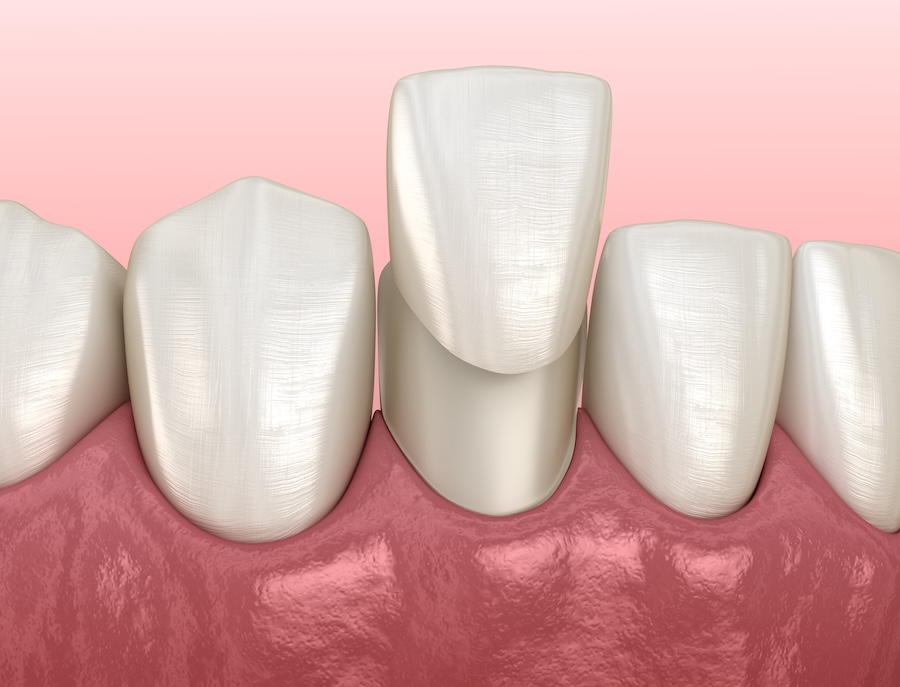
Dental veneers are thin, custom-made coverings that are placed on the front surface of the teeth. They are most often used on teeth that show when you smile, especially the upper front teeth. Veneers can improve the color, shape, length, and overall balance of those teeth.
Porcelain veneers are a common choice because they look natural and resist stains well. Composite veneers may also be used in some cases, depending on the patient’s goals, tooth condition, and budget. Both options are designed to improve the visible part of the tooth while keeping the result natural-looking.
The goal is not to create a smile that looks fake or overly perfect. For many patients, the best veneer results are the ones that make the teeth look healthier, smoother, and more even while still fitting the person’s face. A good veneer should not draw attention to itself. Instead, it should help the smile look like a better version of itself.
Because veneers are customized, the details matter. Shape, color, size, and symmetry are all planned carefully. Your dentist will look at how your teeth fit together, how much tooth structure is available, and what changes would look balanced with your smile.
How Veneers Help Chipped Teeth
Chipped teeth are one of the most common reasons people ask about veneers. A small chip may not hurt, but it can still stand out, especially if it is on a front tooth. Even a minor uneven edge can change how the smile looks in photos or during conversation.
Veneers can cover the visible surface of a chipped tooth and create a smoother, more even shape. Instead of simply patching one corner, a veneer can improve the full front-facing appearance of the tooth. This can be especially helpful when the chip affects the tooth’s edge or makes the tooth look shorter than the one beside it.
That said, not every chip needs a veneer. Small chips can sometimes be repaired with dental bonding, which uses tooth-colored material to rebuild the missing area. Veneers may be recommended when the chip is more noticeable, when the tooth has other cosmetic concerns, or when several front teeth need to be improved together for a balanced result.
At Norman, Obeck, & Foy Dentistry, the dentists evaluate the size of the chip, the health of the tooth, and the patient’s goals before recommending treatment. That way, the solution fits the actual problem rather than taking a one-size-fits-all approach.
How Veneers Improve Worn Teeth
Teeth can become worn for several reasons. Some wear happens gradually with age, while other wear comes from grinding, clenching, an uneven bite, or habits like chewing on hard objects. Over time, worn teeth may look shorter, flatter, or less defined than they used to.
Veneers can help rebuild the appearance of worn teeth by improving their length and shape. This can make the smile look more even and refreshed without changing the entire face of the smile. For patients whose front teeth have lost their natural edges, veneers can restore a cleaner, more balanced look.
However, worn teeth need careful planning. If grinding or clenching caused the wear, that issue needs to be considered before placing veneers. Otherwise, the same pressure that wore down the natural teeth could damage the veneers over time.
In some cases, a nightguard may be recommended after treatment to protect the veneers and natural teeth. Your dentist may also evaluate your bite to make sure the restorations are not taking too much force. This extra planning helps veneers last longer and function more comfortably.
How Veneers Can Balance Uneven Teeth
Uneven teeth can make a smile look less balanced, even when the teeth are healthy. One tooth may be slightly shorter than the others, edges may not line up, or the shapes of the front teeth may not match as well as you would like.
Veneers can help create a more even smile by adjusting the visible length, width, and shape of selected teeth. For example, if one front tooth looks smaller or more worn than the tooth next to it, a veneer can help bring it into better proportion. If several teeth have irregular edges, veneers can create a smoother line across the smile.
This does not mean every tooth needs to look identical. Natural smiles have small differences, and those differences are part of what keeps the result believable. The goal is to create better harmony, not a row of identical teeth.
During planning, your dentist will consider your facial features, lip line, tooth color, and gumline. These details help make sure the final result looks natural from every angle, not just straight on.
Veneers Can Address Shape and Size Concerns
Some people have teeth that are naturally smaller, narrower, or differently shaped than the surrounding teeth. Others notice changes after wear, injury, or previous dental work. Even when the teeth are healthy, these shape differences can make the smile look uneven.
Veneers can be used to adjust tooth shape in a controlled way. A narrow tooth can be made to look fuller. A short tooth can be lengthened visually. A tooth with an irregular edge can be given a smoother outline. These changes can make the smile feel more balanced without requiring orthodontic treatment in every case.
This can be especially helpful for teeth near the front of the mouth, where small differences are easy to notice. However, the tooth still needs to be healthy enough to support the veneer. If there is decay, gum disease, or structural damage, those concerns need to be addressed first.
A thorough exam helps determine whether veneers are the right option or whether another treatment would be better. Sometimes bonding, crowns, orthodontics, or whitening may be part of the conversation, depending on what the teeth need.
Veneers May Help With Small Gaps or Minor Alignment Issues
Veneers can sometimes improve the appearance of small gaps or minor alignment concerns. If a tooth is slightly rotated, unevenly shaped, or spaced apart from its neighbor, a veneer may help create a more uniform look.
That said, veneers are not a replacement for orthodontic treatment in every situation. If teeth are significantly crowded, rotated, or misaligned, Invisalign or braces may be a better first step. Moving the teeth into a healthier position before cosmetic treatment can lead to a better long-term result.
For smaller concerns, though, veneers may be a practical option. They can close slight spaces, smooth irregular tooth shapes, and make the front teeth appear more aligned. This is one reason cosmetic planning is important. The dentist needs to decide whether the concern is mostly cosmetic or whether tooth movement would be healthier and more stable.
At Norman, Obeck, & Foy Dentistry, the team can explain whether veneers, orthodontics, bonding, or a combination of treatments would make the most sense for your smile.
When Veneers Are a Good Fit
Veneers may be a good fit for patients who have healthy teeth and gums but want to improve chips, wear, uneven edges, mild discoloration, small gaps, or tooth shape concerns. They work best when the underlying teeth are strong enough to support them and when the patient has realistic goals.
Good candidates also need to be committed to caring for their teeth. Veneers are durable, but they still need regular brushing, flossing, and dental visits. They can chip or crack if they are used to bite fingernails, chew ice, open packages, or handle heavy grinding without protection.
Gum health also matters. If the gums are inflamed or uneven, that can affect how veneers fit and look. In some cases, gum treatment may be recommended before cosmetic work begins.
The best way to know if veneers are right for you is to have a consultation. Your dentist can look at the teeth, discuss your goals, and explain what veneers can and cannot do in your specific case.
When Another Treatment May Be Better
Veneers are useful, but they are not the answer for every chipped, worn, or uneven tooth. If a tooth has a large cavity, a deep crack, or significant structural damage, a crown may be a better option because it covers and protects more of the tooth.
If the concern is very minor, bonding may be enough. Dental bonding can repair small chips, smooth edges, or fill tiny gaps with tooth-colored material. It is usually less involved than veneers, although it may not last as long or resist staining as well as porcelain.
If teeth are crooked or crowded, orthodontic treatment may be a better first step. Correcting alignment before placing veneers can sometimes lead to a healthier and more conservative result.
This is why a personalized exam matters. A good cosmetic treatment plan should protect the teeth while improving the smile. The goal is not simply to make the teeth look better for now, but to choose an option that makes sense over time.
What the Veneer Process Usually Involves
The veneer process usually begins with a consultation. During this visit, your dentist will examine your teeth and gums, talk through what you want to change, and explain whether veneers are a good option. Photos, X-rays, or digital scans may be used to help plan the case.
If you move forward, the teeth are prepared for veneers. This may involve removing a small amount of enamel from the front surface of the teeth so the veneers can fit naturally. The amount depends on the case and the type of veneer being used.
Next, impressions or digital scans are taken so the veneers can be custom-made. Temporary veneers may be placed while the final veneers are being created. Once the final veneers are ready, your dentist checks the fit, shape, and color before bonding them to the teeth.
The final appointment includes careful adjustments to make sure the bite feels comfortable. Once everything is bonded and polished, the veneers should feel smooth and look natural with the rest of your smile.
How Long Veneers Can Last
Veneers can last many years with good care. Porcelain veneers often last a decade or longer, while composite veneers may have a shorter lifespan depending on wear, staining, and daily habits. Longevity depends on the material used, the bite, oral hygiene, and how the teeth are treated.
Regular dental visits help protect your investment. Your dentist can check the edges of the veneers, monitor gum health, and make sure your bite remains stable. If you grind your teeth, a nightguard may be recommended to reduce stress on the veneers.
It is also important to avoid using your teeth as tools. Biting hard objects, chewing ice, or opening packaging with your teeth can damage both veneers and natural enamel. These habits may seem small, but they can shorten the lifespan of cosmetic dental work.
With thoughtful planning and steady care, veneers can be a long-lasting way to improve chipped, worn, or uneven teeth.
Veneers in Richmond, VA at Norman, Obeck, & Foy Dentistry
If chipped, worn, or uneven teeth have been bothering you, veneers may be worth considering. They can improve the shape, length, color, and balance of the teeth that show when you smile, while still keeping the result natural-looking.
At Norman, Obeck, & Foy Dentistry in Richmond, VA, Dr. Andrew Norman, Dr. Kurt Obeck, Dr. Randall Foy, Dr. Marcus Pope, and the team take time to understand what you want to change and what your teeth actually need. From there, they can explain whether veneers are the best option or whether another treatment would be a better fit.
If you are ready to learn what is possible, scheduling a consultation is a practical next step. You can get clear answers, review your options, and make a plan that helps your smile look more even without guessing what treatment you need.
FAQs
Can veneers fix a chipped front tooth? Yes, veneers can often improve the appearance of a chipped front tooth, especially when the chip affects the visible edge or shape of the tooth. For very small chips, bonding may also be an option, so it is worth having the tooth evaluated before deciding.
Are veneers good for worn-down teeth? Veneers can help restore the appearance of worn teeth by improving their length and shape. However, if grinding or clenching caused the wear, your dentist may recommend a nightguard or bite evaluation to help protect the veneers.
Can veneers make uneven teeth look straighter? Veneers can improve the appearance of mildly uneven teeth by changing their shape, width, or visible alignment. If the teeth are significantly crowded or misaligned, orthodontic treatment may be a better option before veneers.
Do veneers look natural? Well-planned veneers are designed to match your smile, face, and surrounding teeth. The goal is usually a balanced, natural look rather than an overly bright or artificial result.
How long do veneers last? Porcelain veneers often last many years, and many patients keep them for a decade or longer with good care. Their lifespan depends on oral hygiene, bite forces, grinding habits, and regular dental visits.
Are veneers permanent? Traditional veneers are considered a long-term treatment because a small amount of enamel is often removed to make room for them. Because of that, it is important to understand the process, benefits, and maintenance before starting treatment.
CONTACT USCategorized in: Porcelain Veneers