Dental Implants in Richmond: What to Know Before Replacing a Missing Tooth
July 14, 2026 9:00 amA missing tooth can be easy to work around for a while. You chew on the other side, avoid a few foods, and plan to deal with the gap when life settles down. Then months pass, and “later” quietly turns into a much longer stretch than expected.
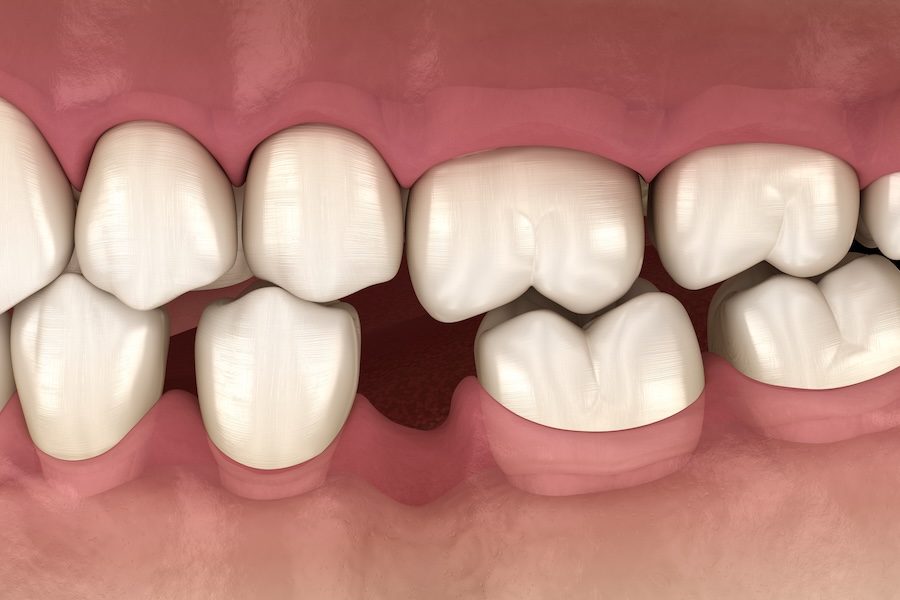
That does not mean every missing tooth has to be replaced immediately. Cost, health, work schedules, insurance, and personal timing all count. However, the area can change while you wait. Nearby teeth may drift toward the opening, the tooth above or below may move into the space, and the bone beneath the gums can lose width.
At Norman, Obeck, & Foy Dentistry in Richmond, VA, Dr. Andrew Norman, Dr. Kurt Obeck, Dr. Randall Foy, and Dr. Marcus Pope can evaluate what has changed and explain what would be involved in replacing the tooth now.
Dental Implants
A dental implant replaces the root of a missing tooth. Once the implant has healed in the jaw, a crown is attached above the gums to restore the visible part.
The finished tooth may look simple, but the treatment plan depends on what is happening around the space. The doctors need to see how much bone remains, whether the neighboring teeth have moved, how the bite comes together, and whether the gums are healthy.
A front tooth brings different concerns from a back tooth. In the front, gum shape and appearance receive more attention. Farther back, the implant and crown need to handle stronger chewing pressure.
The first appointment should give you a clear idea of whether an implant is a good fit, whether grafting may be needed, how long treatment could take, and what can be done to preserve the area while the implant heals.
The First Visit Looks at the Whole Area
An implant consultation usually includes an examination of the gums, nearby teeth, bite, and available space. Dental images or a three-dimensional scan may also be used to evaluate the bone and surrounding structures.
This is where the doctors look for details that are difficult to judge at home. The gap may appear wide enough, for example, while the roots beneath the gums have shifted closer together. The bone may also look full from the surface but be too narrow for an implant.
Health history belongs in the conversation too. Gum disease, diabetes, smoking, certain medications, and teeth grinding can affect healing or change the long-term care plan.
Patients should leave the appointment knowing which steps are likely to apply to them. A useful treatment plan should explain the expected order, not simply confirm that an implant is technically possible.
Planning Before an Extraction Can Keep More Options Open
When a tooth cannot be saved, it helps to discuss replacement before the extraction. Once the tooth is removed, the socket begins healing and the surrounding bone starts to remodel. Placing bone grafting material in the socket at the time of removal may help preserve more of the ridge for a future implant. This is often called socket preservation.
The implant does not necessarily have to be placed immediately. Some patients need time to arrange the cost, work around other medical care, or wait for insurance benefits. Preparing the site during the extraction may still make the later stages easier.
Not every extraction needs a graft. The recommendation depends on the location, infection, remaining bone, and future replacement plan. Still, it is worth asking before the tooth comes out whether anything should be done to prepare the area for an implant later.
A Space Maintainer May Help When Treatment Has to Wait
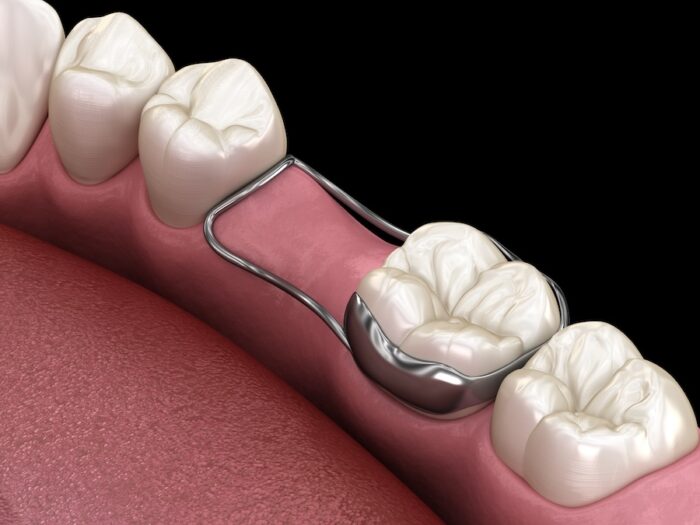
Immediate implant treatment is not realistic for every patient. When replacement needs to be delayed, a space maintainer may help keep the neighboring teeth from drifting into the opening. Its purpose is to preserve the room needed for a future restoration, not to replace the missing tooth for chewing.
This can be useful when the delay is related to finances, healing, insurance timing, or another part of the treatment plan. If the surrounding teeth move too far, the space may eventually become too narrow for a properly shaped implant crown.
In some cases, enough movement can occur that orthodontic treatment is needed to reopen the space before the implant can be restored. Holding the space earlier may help avoid adding that step later.
Bone Grafting May Be Needed Before Implant Placement
Some patients already have enough bone for an implant. Others need the area rebuilt first. Bone loss can happen after an extraction, after an infection, or simply because the tooth has been missing for years. Fortunately, a graft helps add support where the ridge has become too narrow or shallow.
Depending on the site, grafting may be completed during the extraction or at a separate appointment. The area then needs time to heal before the implant can be placed.
That extra waiting period can be disappointing, especially once someone has finally decided to move forward. However, the implant needs enough bone around it to sit in a useful position and support the final crown. Your dentist can explain what the graft is meant to improve, how long healing may take, and whether any other approach would be reasonable.
Sometimes the Implant Can Be Placed With the Extraction
In selected cases, the implant can be placed during the same appointment as the tooth removal. This may shorten the overall treatment timeline, but the site needs enough healthy bone to hold the implant securely. Infection, damage to the socket, gum condition, and the position of the future crown all affect the decision.
Even when the implant is placed that day, the bone still needs time to heal around it. A temporary tooth may be available, particularly in a visible area, but it usually needs to stay out of heavy chewing.
Before the extraction, patients should ask what they will leave the office wearing and what eating restrictions to expect. Those details have a way of feeling much more important once lunch rolls around.
Healing Continues After the Area Feels Better
After implant placement, the bone gradually forms a stable connection around the implant. The gums may feel much better within days, while the deeper healing continues for weeks or months. During that time, patients may need to avoid chewing directly on the area, follow a softer diet, or wear a temporary restoration.
The exact instructions depend on bone quality, grafting, implant location, and how stable the implant was when placed.
This stage is usually quiet, and that is what everyone wants. Following the eating and cleaning instructions still helps protect the implant, even when the area no longer feels sore.
The Final Crown Has to Fit More Than the Empty Space
Once the implant has healed, the final crown is made and attached. The crown should match the nearby teeth, but it also needs to fit comfortably against them, meet the opposing tooth correctly, and leave enough room for daily cleaning.
If the surrounding teeth have moved, there may be less room than expected. That can affect the width and shape of the crown or, in some cases, require orthodontic treatment before the final restoration is completed.
Patients should also pay attention to the bite after the crown is placed. A crown may feel fine while tapping the teeth together in the office, then feel noticeably high during an actual meal. If it catches food, creates soreness, or feels uneven, the office should know. A small adjustment can make the crown much more comfortable.
The Treatment Estimate Should Show Each Stage
Implant treatment may involve an extraction, bone graft, implant placement, temporary tooth, abutment, final crown, imaging, and follow-up visits. Those steps may happen months apart, and they are not always grouped into one fee. Before treatment begins, patients should ask for a written estimate showing which parts are included and which could be added later.
Insurance coverage may also differ from one stage to another. Because treatment can cross into a new benefit year, timing may affect how benefits are used.
Some patients spread the treatment out for financial reasons, while others use payment arrangements offered by the office. There is nothing unusual about needing to plan around the cost. Implant treatment has to fit into the same budget as everything else in life.
Daily Care Helps Protect the Implant
An implant crown cannot get a cavity, but the gums and bone around it still need regular care.
Plaque can collect where the crown meets the gumline. If it remains there, the tissue may become swollen, tender, or prone to bleeding. Most single implants can be cleaned with a toothbrush and floss. Depending on the space, an interdental brush or water flosser may also help. The dental team can show patients which tool fits the area instead of leaving them to buy half the dental aisle and hope for the best.
Routine visits remain part of implant care as well. The doctors and hygienists can check the gums, bite, crown, and supporting bone and look for changes that may not be noticeable at home.
A Bridge or Partial Denture May Also Be Worth Considering
An implant is one way to replace a missing tooth, but it is not the only option. A bridge uses the neighboring teeth for support and may make sense when those teeth already need crowns. A removable partial denture may be considered when several teeth are missing, surgery is not a good fit, or the budget calls for a different approach.
Each choice comes with its own timeline, maintenance needs, and effect on the nearby teeth.
The best option depends on the bone, gums, health history, location of the gap, cost, and what the patient wants from the replacement. A consultation should make those differences easier to compare without turning the decision into a sales pitch.
Dental Implants at Norman, Obeck, & Foy Dentistry in Richmond
Before replacing a missing tooth, it helps to know how much space remains, whether the bone needs support, how long healing may take, and what can be done to preserve the area between stages. Patients who know an extraction is coming can also ask about socket grafting and a space maintainer before the tooth is removed. Those early decisions may make later treatment simpler.
At Norman, Obeck, & Foy Dentistry in Richmond, VA, Dr. Andrew Norman, Dr. Kurt Obeck, Dr. Randall Foy, and Dr. Marcus Pope can evaluate the area and explain which steps apply to your situation.
Schedule a dental implant consultation to discuss timing, grafting, space preservation, costs, and the type of replacement that will work comfortably in everyday life.
CONTACT USCategorized in: Dental Implants