What Should You Do When a Dental Crown Breaks or Falls Off?
September 25, 2026 9:00 amYou may feel a crown come loose while eating and spend the next few seconds trying to work out whether the hard piece in your mouth is food or part of your tooth. Once you realize what happened, the tooth underneath can feel strangely small, rough, or sensitive. Your tongue will probably find the empty spot right away, and suddenly that one tooth is impossible to ignore.
At Norman, Obeck & Foy Dentistry in Richmond, Virginia, Dr. Andrew Norman, Dr. Kurt Obeck, Dr. Randall Foy, and Dr. Marcus Pope can examine a loose or broken crown and the tooth underneath it. Bring the crown or any broken pieces with you if you still have them. Sometimes the crown can go right back on, while some teeth need a little more work before they are ready to be covered again.
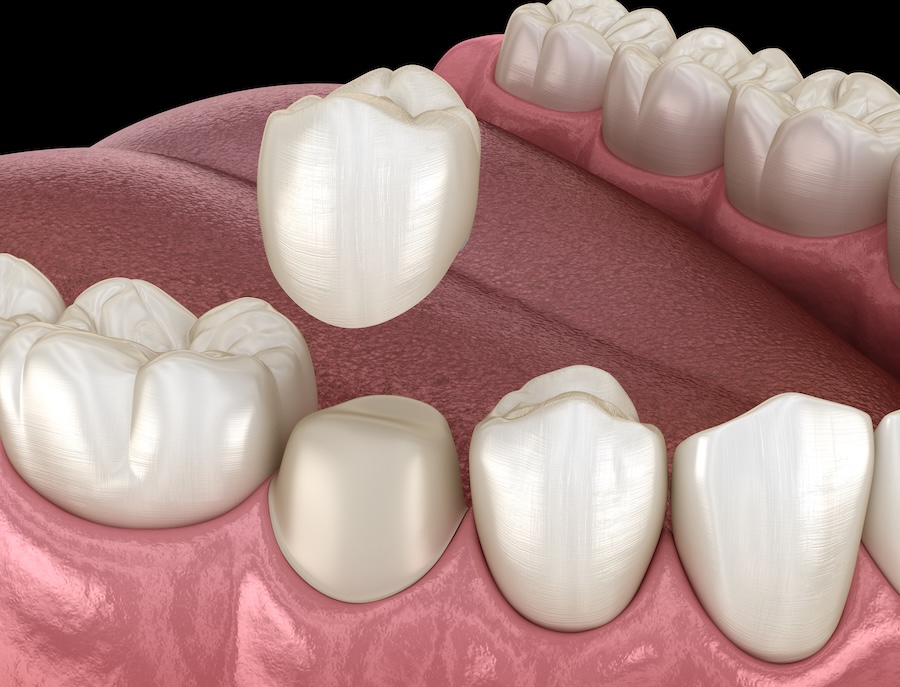
If the Crown Came Off in One Piece
First, take the crown out of your mouth so you do not accidentally swallow it or bite down on it. Rinse it gently, place it in a small container, and keep it somewhere you will remember to bring with you. Then give us a call so we can get you on the schedule and tell you what to do in the meantime.
Until then, keep chewing pressure off that side as much as you can. The exposed tooth may suddenly react to cold water, air, sweets, or pressure even if it had been completely quiet before the crown came off. A tooth that felt ordinary at breakfast can feel oddly naked by lunch once that covering is gone.
Also, skip household glue, super glue, or anything else from the junk drawer. Those products are not made for the mouth and can make the crown harder to seat correctly later. If you cannot come in right away, we can tell you how to keep the area protected until your visit.
If the Crown Broke Instead of Coming Loose
Sometimes the whole crown pops off cleanly. In other cases, you hear or feel a small crack and realize only part of it has broken away. You may notice a jagged edge with your tongue or suddenly feel like your teeth are meeting differently than they were before lunch.
If you find a loose piece, save it and leave the rest alone. It is tempting to press on the broken edge or bite down again just to see whether it still moves, but that extra pressure can turn a small break into a bigger one. If the edge is rubbing your tongue or cheek, let us know when you call.
Once you are here, we will check both the crown and the natural tooth underneath it. Sometimes the porcelain has chipped but the tooth itself is still solid. If part of the tooth has broken with the crown, there is less structure left for us to work with.
Why Would a Crown Suddenly Come Off?
A crown can stay in place for years and then loosen over something as ordinary as caramel, crusty bread, or a sticky piece of candy. Sometimes the cement has simply weakened over time. In some cases, the crown is only the first thing you notice even though the problem started underneath it.
Decay can creep in around the edge and slowly eat away at the tooth holding the crown in place. Grinding can also hammer on the same tooth night after night, especially if it sits toward the back and does a lot of the heavy chewing. A crack underneath the crown can loosen the fit too.
Because of that, we look at more than the crown sitting in your hand. Dr. Norman, Dr. Obeck, Dr. Foy, or Dr. Pope will check the tooth underneath, the edge where the crown used to sit, and the way that tooth is meeting the one above or below it. If the tooth is still healthy and the crown still fits snugly, putting it back on may be all that is needed.
Can the Same Crown Be Put Back On?
Sometimes, yes. If the crown is intact, still fits closely, and the tooth underneath is in good shape, it may be possible to clean everything up and cement it back into place. That can be a fairly simple fix.
A crown may also come off because the tooth underneath has changed. Decay may have eaten away part of the edge, a fracture may have taken off a corner, or the crown itself may have chipped. If the shape underneath has changed enough, the old crown may no longer sit the way it should.
A crown can look completely intact in your hand while the tooth underneath has lost part of what used to hold it. Bringing the crown with you lets us compare the two and see whether it still fits the tooth as closely as it should.
What If the Tooth Underneath Is Decayed?
Decay around or beneath a crown can soften the natural tooth that holds the restoration in place. As more tooth disappears, the crown may start to rock, loosen, or simply come off while you are chewing. Sometimes the crown falling out is the first sign that anything was wrong underneath.
If the decay is limited, we may be able to clean it out, rebuild the tooth, and make a new crown. If it has reached the nerve inside the tooth, root canal treatment may be needed first. After that, the tooth can be rebuilt and covered again.
A crown needs something solid to grab onto. If decay has hollowed out part of the tooth or a fracture has sheared off too much structure, we have to rebuild what we can before another crown goes on. Otherwise, the new restoration would be relying on a tooth that has already lost too much support.
Grinding Can Be Hard on Crowns
Crowns are built to handle normal chewing, but grinding can load them with much heavier force for hours at a time. You may wake up with sore jaw muscles, notice flattened edges on other teeth, or have a history of chipped fillings and worn dental work. That same pressure can loosen cement, chip porcelain, or wear down the tooth underneath a crown.
If we see signs of grinding, we may recommend a nightguard after the crown is repaired or replaced. The guard helps spread out that pressure instead of letting the same few teeth absorb it over and over. It can also help protect the rest of your dental work.
Before you leave, we check how the repaired tooth meets the rest of your bite. If one spot is landing first every time you close, that tooth can stay sore or feel too tall. A small adjustment can make the difference between forgetting about the crown and noticing it every time you chew.
What Should You Do While You Are Waiting to Be Seen?
For now, keep the crown or broken pieces somewhere safe and bring them with you. Chew on the other side, choose softer foods, and try not to keep pressing on the exposed tooth with your tongue or fingers. Cold drinks and sweets may feel much sharper now that the crown is gone.
Meanwhile, keep the area clean. Brush gently around the tooth, and if floss catches or feels uncomfortable, do not force it through. Rinsing with water after meals can help keep food from settling around the exposed area until your appointment.
If the tooth starts hurting more, breaks again, or swelling shows up around the gum or face, call sooner. Significant facial swelling, trouble swallowing, or trouble breathing needs emergency medical care. Once that immediate concern is handled, we can take care of the tooth.
Broken Crown Care at Norman, Obeck & Foy Dentistry in Richmond, VA
A crown coming off can leave you staring at a surprisingly tiny-looking tooth and wondering whether you are dealing with a five-minute fix or the start of something bigger. Sometimes the crown simply lost its grip and can be cemented back into place. In other cases, the loose crown is the first clue that decay, grinding, or a fracture has been working underneath it.
Dr. Andrew Norman, Dr. Kurt Obeck, Dr. Randall Foy, and Dr. Marcus Pope can examine the crown, the tooth underneath, and the way that tooth is handling pressure when you bite. Norman, Obeck & Foy Dentistry offers crowns, fillings, root canal therapy, and other restorative treatment when more than recementing is needed.
If a crown breaks or comes off, save it if you can and contact Norman, Obeck & Foy Dentistry in Richmond. We’ll see what happened underneath, get the tooth protected again, and get you back to chewing without treating one side of your mouth like a no-go zone!
CONTACT USCategorized in: Dental Crowns