Dentures in Richmond: When They’re a Practical Option for Tooth Replacement
August 21, 2026 9:00 amMissing several teeth can change the way you eat long before you start thinking seriously about dentures. Maybe you have stopped ordering steak because it takes too much work, or you keep moving food to the same side because that side feels more comfortable. After a while, those little adjustments can become part of your routine, but that does not mean you have to keep working around the same problem.
Dentures can replace several missing teeth at once, so they may make sense when you are dealing with more than one gap or several teeth that are no longer in good shape. They also do not require the same surgical process as dental implants. For some people, that makes dentures a better fit for the amount of treatment they want, the time involved, or the budget they are working with.
At Norman, Obeck, & Foy Dentistry in Richmond, VA, Dr. Andrew Norman, Dr. Kurt Obeck, Dr. Randall Foy, and Dr. Marcus Pope can look at which teeth are still healthy, which ones are giving you trouble, and how well you are able to chew now. You may have enough strong teeth left for a partial denture, but you may also be at the point where a full denture makes more sense. If you are curious about implants too, that can be discussed at the same visit.
When Dentures May Be a Good Fit
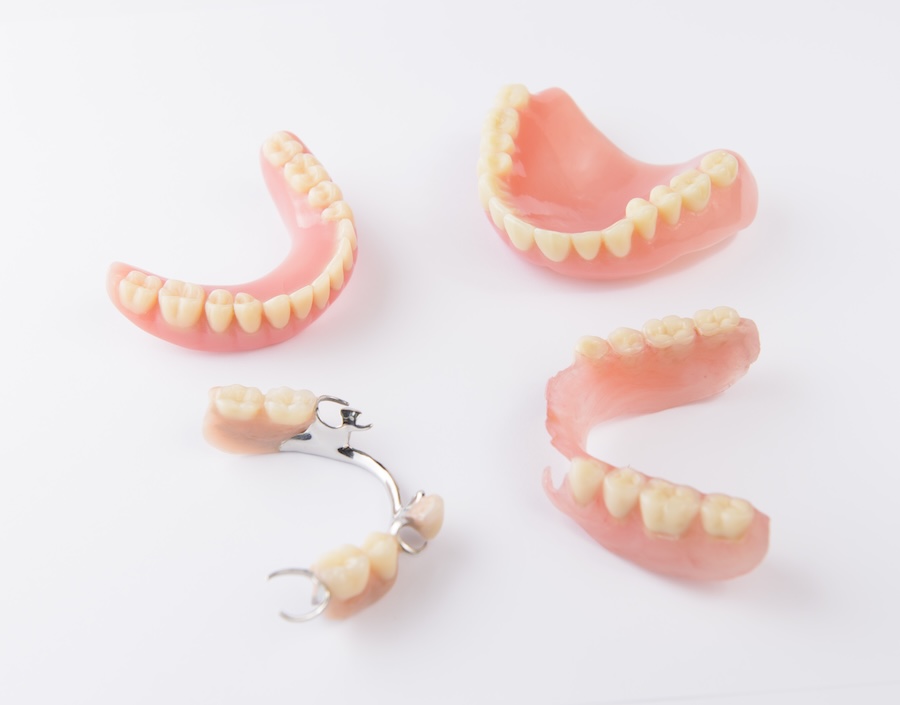
Dentures often work well when several teeth are missing and replacing each one separately would mean a much larger treatment plan. A partial denture can fill several spaces while keeping healthy natural teeth in place. A full denture, however, can replace all of the teeth in an upper or lower arch.
They can also make sense when you do not want implant surgery. Dental implants can provide strong support, but they involve surgery, healing time, and enough bone in the right areas. So, if you would rather avoid that process, a removable denture may fit better with what you want.
Cost can come into the decision too, particularly when many teeth need to be replaced. Replacing several teeth with individual implants can become expensive, and some patients would rather use one denture to replace several missing teeth at once. Still, cost is only part of it because comfort, stability, and the amount of treatment involved all play a role.
Then there is the way your mouth is working now. If you are chewing on one side, skipping certain foods, or dealing with teeth that keep breaking or hurting, replacing several teeth can change how you get through meals. For some patients, that is when dentures start to make more sense.
Partial Dentures and Full Dentures
A partial denture fills the spaces left by missing teeth while using some of your natural teeth for support. It may replace teeth on one side of the mouth or fill several gaps across the arch. If the remaining teeth are healthy and stable, keeping them can help preserve more of your natural bite.
A full denture is used when all of the teeth in an upper or lower arch are missing or need to be removed. It rests over the gums and replaces the entire row of teeth. Upper and lower dentures can feel different, however, because the tongue, palate, and shape of the jaw all affect how the appliance sits.
If you still have a few natural teeth, their condition becomes a big part of the decision. A tooth that is loose, badly broken, or heavily decayed may not be a good support tooth for a partial denture. On the other hand, a strong tooth with good bone support may still have years of use left.
Dr. Norman, Dr. Obeck, Dr. Foy, or Dr. Pope can look at each remaining tooth and explain what they see. X-rays may show that one tooth has good support while another is already losing bone or has damage below the gumline. Then you can decide which teeth are worth keeping and which ones may need to come out.
How Dentures Can Help With Eating
Chewing is often where missing teeth become the most frustrating. You may stop eating certain meats, avoid raw vegetables, or cut foods into much smaller pieces because that is the only way to manage them comfortably. Some people also end up using one side of the mouth almost all the time, so the other side barely gets used.
Dentures give you more chewing surface again, which can open up more food choices. They still take some getting used to because they do not feel exactly like natural teeth. However, once you adjust to the pressure and movement, meals may start to feel less limited.
At first, softer foods usually go better. Eggs, pasta, cooked vegetables, fish, yogurt, and softer meats can give you time to get used to chewing with the denture. Then, as things start to feel more familiar, you can gradually add foods with more texture.
Chewing on both sides can also help keep the denture balanced. If you have been using one side for a long time, that habit may take some effort to change. Still, if one side keeps lifting or a certain area hurts every time you chew, bring that up so the fit can be checked.
What New Dentures Feel Like at First
A new denture will probably feel noticeable at first because your tongue and cheeks are used to a different shape. You may find yourself touching it with your tongue more often, and you may notice more saliva for a few days. As you wear it, however, those sensations usually become less noticeable.
Speaking can feel different too, especially with sounds that depend on where your tongue meets the teeth. Some words may sound slightly off until your tongue learns the new position. Reading aloud at home can help, and after a while, you may stop thinking about those sounds altogether.
Eating may also feel slower in the beginning because you are paying attention to things you normally never think about. You may notice where food is sitting, how much pressure you are using, or whether the denture shifts with certain bites. Then, as the denture becomes more familiar, those details tend to fade into the background.
Sore spots are a little different. Some tenderness can happen while the gums adjust, but the same area should not keep rubbing until it becomes painful. If that happens, bring the denture back so the fit can be checked and adjusted.
Why Denture Fit Is Important
A denture that fits well should stay more stable while you chew and speak. If it rocks, lifts, or slides, you may start changing how you eat just to keep it in place. Over time, that movement can also create sore areas where the denture keeps rubbing.
Even a denture that fit well at first can change over time. After teeth are lost, the bone and gums underneath gradually change shape. So, as the years pass, the denture may not sit as closely as it once did.
You may notice food getting underneath it, more movement while chewing, or a stronger need for adhesive. Those changes can happen slowly, so sometimes the first clue is that the denture just does not feel the way it used to. At that point, a fit check can show whether an adjustment, reline, or replacement is needed.
A reline changes the inside surface of the denture so it fits the gums more closely again. If the denture teeth are badly worn or the base has changed too much, however, a new denture may be a better option. Your dentist can look at both the appliance and the tissues underneath before recommending what to do next.
Do You Need Denture Adhesive?
Some people use a small amount of denture adhesive for extra hold. This is common with lower dentures because they have less surface area for support and sit close to the tongue. A little adhesive can help the denture feel more secure during meals or conversation.
If you keep needing more adhesive just to get through the day, however, the fit may have changed. Adhesive can help with minor movement, but it cannot correct a denture that no longer sits closely against the gums. So, if you are using more than you used to, it is a good time to have the denture checked.
Too much adhesive can also make cleaning more tedious. It can stick to the gums and the denture, which adds extra work at the end of the day. A reline or adjustment may reduce how much adhesive you need and make the denture more comfortable to wear.
Dr. Norman, Dr. Obeck, Dr. Foy, or Dr. Pope can check how the denture sits and whether the gums or jaw have changed underneath it. Sometimes the fix is small, but other times the appliance has worn enough that replacing it makes more sense. Either way, the looseness is worth checking instead of covering it with more adhesive.
Dentures and Dental Implants
Dentures and implants can both replace missing teeth, but they do not feel the same and they do not involve the same treatment. Dentures are removable and rest on the gums. Implants, however, are placed in the jawbone and can support crowns, bridges, or a denture.
Implants usually provide more stability because they are anchored in bone. They also require surgery and a healing period before the final teeth are attached. So, some patients are comfortable with that process, while others would rather avoid surgery altogether.
Dentures can work well when many teeth need to be replaced at once. They may also fit better when health concerns, bone loss, budget, or personal preference make implants less appealing. Still, removable dentures can move more than teeth supported by implants, and that is something to consider before choosing.
Implants can also be used to support a denture. This is more common with lower dentures because they tend to have less natural support. If movement is one of your main concerns, your dentist can explain whether implant support is an option.
When Implant-Supported Dentures May Make Sense
Lower dentures often move more than upper dentures because the lower jaw gives them less surface area to rest on. The tongue is also constantly moving around them during eating and speaking. Because of that, some people notice more shifting with a lower denture than they expected.
An implant-supported denture connects to implants placed in the jaw, which can help keep it more stable. Depending on the design, you may still remove it for cleaning. The added support can make chewing feel firmer and reduce how much the denture moves.
This option does involve surgery and healing time. You also need enough bone to support the implants, although grafting may be possible in some cases. So, if you are interested, Dr. Norman, Dr. Obeck, Dr. Foy, or Dr. Pope can look at your X-rays and tell you whether implant support is an option.
Some patients decide they want the added stability, while others are satisfied with a traditional denture. Your choice may depend on how much movement bothers you, how you feel about surgery, and how much treatment you want to take on. Those details can be discussed before anything is scheduled.
What if You Still Have Some Natural Teeth?
You do not have to remove every remaining tooth just because you are thinking about dentures. If some teeth are healthy, stable, and easy to care for, they may be worth keeping. A partial denture can often be designed around them.
At the same time, a tooth that is loose, badly broken, or repeatedly painful may not be a good tooth to build around. It may still be in the mouth, but it may not have enough support to help the denture. So, those are the teeth your dentist will look at more closely.
You may already have a sense of which teeth are becoming unreliable. Maybe one moves when you chew, another keeps trapping food, or a tooth has been breaking down little by little. Those details help your dentist understand what is happening during normal meals and daily use.
Dr. Norman, Dr. Obeck, Dr. Foy, or Dr. Pope can compare what you are noticing with the exam and X-rays. Some teeth may still have years of use left, while others may not be strong enough to support a partial denture. Then you can move forward knowing which teeth can stay and which ones may need to come out.
How Long Dentures Last
Dentures can last for years, but both the appliance and your mouth change over time. The denture teeth can wear down, the base can develop cracks, and the gums underneath can change shape. Because of that, a denture can start fitting differently even when it still looks fine.
The changes often show up a little at a time. You may notice more movement while eating, food getting underneath, or a sore spot that was never there before. You may also start using more adhesive because the fit no longer feels as secure.
A reline can sometimes improve the fit without replacing the whole denture. If the teeth are badly worn or the denture no longer matches your bite well, however, replacement may be the better option. Your dentist can check both the denture and the tissues underneath before recommending what to do next.
Regular dental visits are still important even if you no longer have natural teeth in one arch. Your dentist can check the gums, tongue, and other tissues, along with the condition of the denture itself. Those visits can also help catch fit problems before they start interfering with meals.
How to Clean Dentures
Dentures collect food and plaque throughout the day, so they need daily cleaning. Brush them with a denture brush or another product your dental team recommends. At the same time, clean your gums, tongue, and any natural teeth you still have.
Use cool or lukewarm water instead of very hot water. Heat can change the shape of denture material and affect the fit. Also, cleaning the denture over a folded towel or a sink with some water in it can help protect it if it slips.
Most removable dentures should come out while you sleep unless your dentist gives you different instructions. That gives the tissues underneath a break and gives you a chance to clean the appliance well. If you have an immediate denture after extractions, however, your routine may be different for a while.
Be careful with household cleaners too. Some products can scratch the surface or damage the material. If you are not sure what to use, ask your dental team before trying something new.
Common Questions About Dentures
How Do I Know if Dentures Are Right for Me?
Dentures may be a good option if you are missing several teeth or if the remaining teeth are no longer comfortable or reliable enough to chew with. They can also work well if you want to avoid implant surgery or replace several teeth with one appliance. Your gums, bone, bite, and remaining teeth all play a role in the decision.
Dr. Norman, Dr. Obeck, Dr. Foy, or Dr. Pope can review the available options after examining your mouth. You may find that a partial denture fits well, but you may also be better suited for a full denture or an implant-supported option. Once the exam is done, you can see what each choice would involve for your teeth and your daily routine.
Will Dentures Look Natural?
Dentures can be made to fit your face and smile rather than looking like a generic row of teeth. Tooth size, shape, color, and position all affect the final appearance. The gum-colored base can also be shaped to blend with the rest of your mouth.
You can talk about those details before the denture is finished. Some patients want something close to the teeth they had before, while others prefer a little more brightness or a more even shape. So, there is room to make choices without making the smile look overdone.
How Long Does It Take to Get Used to Dentures?
The first few weeks usually involve the most adjustment. Your tongue, cheeks, and jaw are getting used to a new shape, so eating and speaking can feel different at first. As you keep wearing the denture, those changes usually become less noticeable.
If the same spot keeps rubbing, however, bring it back to the office. A small adjustment may be all that is needed. Ongoing soreness should not be something you keep working around.
Can I Eat Normally With Dentures?
Most people can eat a much wider range of foods once they have had time to adjust. Very sticky or hard foods can still be more difficult with removable dentures. So, starting with softer foods and gradually adding more texture usually works well.
Chewing on both sides can also help keep the denture balanced. If a certain food always makes it move, mention that during your next visit. The fit may need attention instead of your diet needing another restriction.
Do Dentures Need to Come Out at Night?
In most cases, removable dentures should come out while you sleep. That gives the gums and tissues underneath time without constant pressure. It also gives you time to clean the denture thoroughly.
Your dentist may give different instructions in some situations, especially right after extractions. So, follow the routine you are given for your specific denture. If those instructions change as you heal, the dental team will let you know.
What if My Dentures Start Feeling Loose?
Dentures can become looser as the gums and jaw change shape over time. You may notice more movement while eating, food slipping underneath, or sore spots that keep returning. When those changes start showing up, the fit should be checked.
A reline can sometimes improve the fit without replacing the whole denture. If the denture is badly worn or damaged, however, a new one may make more sense. Your dentist can look at both the appliance and your mouth before recommending the next step.
Can I Get Dentures Right After My Teeth Are Removed?
In some cases, an immediate denture can be placed right after the teeth are removed. That means you can leave with teeth in place during the healing period. However, the gums and bone change shape as they heal.
Because of those changes, immediate dentures often need adjustments or a reline later. Some patients eventually need a new denture after healing is complete. So, your dentist can explain what that timeline would look like before the extractions are done.
Does Dental Insurance Cover Dentures?
Many dental insurance plans provide some coverage for dentures, but the amount varies. Some plans pay a percentage of the cost, while others have waiting periods, replacement limits, or annual maximums. Those details can change what you pay out of pocket.
Norman, Obeck, & Foy Dentistry can help you review the benefit information available for your plan. That can be helpful if you are comparing dentures with other tooth replacement options. Then you can look at the cost along with the treatment itself before making a decision.
Dentures at Norman, Obeck, & Foy Dentistry in Richmond, VA
If missing teeth are changing what you eat, how you chew, or how often you have to think about your teeth during a meal, dentures may be worth considering. They can replace several teeth at once, and depending on your mouth, they may allow you to keep healthy natural teeth that are still serving you well. They can also be a good fit if you want a removable option or prefer not to go through implant surgery.
At Norman, Obeck, & Foy Dentistry in Richmond, VA, Dr. Andrew Norman, Dr. Kurt Obeck, Dr. Randall Foy, and Dr. Marcus Pope can examine your teeth, gums, and bite and explain which options fit your situation. You may be a candidate for a partial denture, full denture, or implant-supported denture, and each one comes with a different feel and routine. Call Norman, Obeck, & Foy Dentistry to schedule a consultation and talk about replacing your missing teeth in a way that works for your day-to-day life.
CONTACT USCategorized in: Dentures