
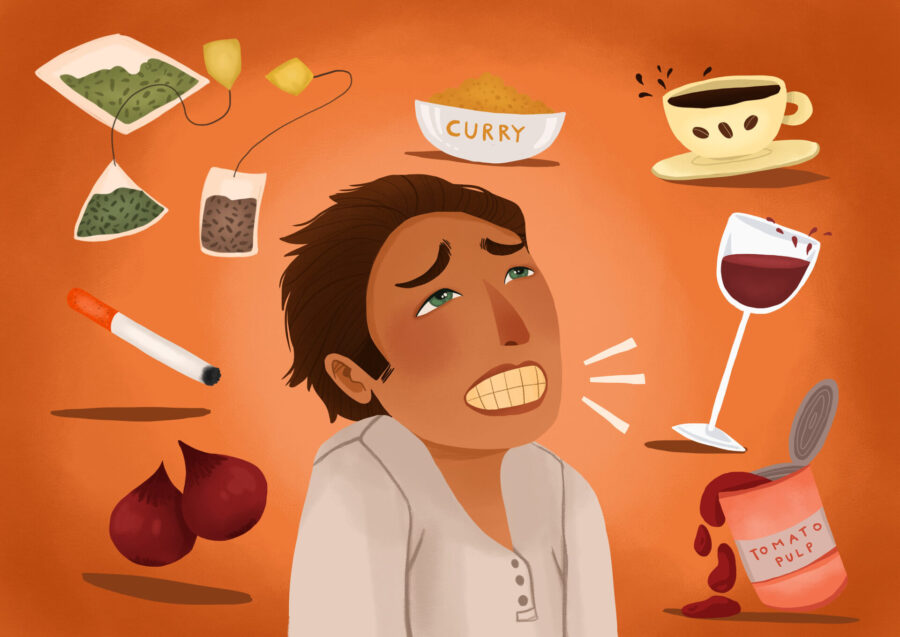
How Coffee Stains Teeth
November 18, 2026 9:00 amYour morning coffee can be worth getting out of bed for, even when you’re less pleased with the stains. Still, brown along the gumline and a smile that looks yellower in photos can send you straight to the whitening aisle. Before choosing a product, let’s check how much color is on the surface and how much comes from the tooth itself.
At Norman, Obeck, & Foy Dentistry in Richmond, VA, Dr. Andrew Norman, Dr. Randall Foy, and Dr. Marcus Pope check the tooth surfaces and any existing dental work before recommending treatment. Cleaning removes deposits and some surface stains, while whitening changes color within natural teeth. We’ll explain which approach fits what you’re seeing.
How Coffee Stains Collect
Coffee’s colored compounds cling to the thin film that naturally forms on enamel from saliva. With repeated exposure, that leaves surface stains, often darker where plaque or tartar has collected. That’s why you can see a brown line near the gums while the middle of the same tooth still looks fairly bright.
If most of the stain is caught in buildup, removing that buildup can brighten the area substantially. However, brushing harder won’t lift hardened tartar, and it can leave the gums sore. We can remove the deposits, then compare the tooth underneath with the shade you’re hoping for.
Saliva, cleaning habits, tobacco use, and tooth surfaces all influence how much stain collects. A rough area or an older restoration can pick up color differently from smooth enamel. During the exam, we’ll check whether the darker areas are stain, decay, or changes around dental work before recommending how to treat them.
Coffee Throughout the Day
A cup with breakfast and a mug you keep topping off until lunch expose teeth differently. Long sipping sessions keep coffee in contact with the surfaces. If it’s sweetened, those sips also keep feeding plaque bacteria.
Instead, try keeping coffee with a meal or a defined break, then switch to water. Rinsing afterward helps clear residue from the mouth. You can keep the morning cup while giving the teeth longer breaks between exposures.
Tea can stain too, so swapping beverages doesn’t always solve discoloration. The routine still needs cleaning and attention to frequency. If you add sugar or sweetened creamer, we’ll consider cavity risk alongside the color change.
What a Cleaning Removes
During a professional cleaning, we remove plaque and hardened tartar and use polishing to lift surface stains from suitable areas. If much of the darker color sits in buildup, the teeth can look brighter afterward. Once those deposits are gone, we can see which changes remain in the tooth itself.
Natural tooth color can become more apparent as enamel wears and the yellowish dentin underneath shows through. Cleaning won’t bleach that underlying shade. Likewise, color from an old injury or a restoration needs a different evaluation from surface staining.
After a cleaning, take a look at your teeth in ordinary lighting before deciding how much lighter you want them. You might be happy once the brown deposits are gone, or you might still want to brighten the natural shade. We can discuss that next step after checking the gums, sensitive areas, and existing restorations.
Professional Whitening
Whitening breaks down staining compounds within natural tooth structure to brighten the shade. Before beginning, we check for cavities, gum problems, exposed sensitive areas, and damaged dental work. Those findings affect the treatment method and timing.
Crowns, veneers, and tooth-colored fillings keep their original material shade. If they match your current darker teeth, whitening can make them look out of place. We’ll compare them before you begin so you know what will change and what won’t.
If you need new front dental work, whitening can be planned first. Once the color stabilizes, we can match the restoration to that shade. Planning the order avoids choosing a crown color and then discovering it no longer matches after whitening.
Sensitivity and Touch-Ups
Temporary sensitivity can occur during whitening. If cold water already bothers a tooth, we’ll check why before adding whitening gel to the routine. We can then discuss a method and schedule that fit your teeth.
If whitening makes cold water uncomfortable, contact us before adding another application. We can review the schedule and check whether exposed roots, a cavity, or another issue needs attention. Extra gel or longer wear can worsen sensitivity, so keep to the instructions while we work out the next step.
Whitening also needs maintenance as new stains collect. The timing of touch-ups depends on the method, habits, and how the teeth respond. Daily cleaning, water rinses, and regular visits help reduce surface buildup between treatments.
Home Whitening Products
Whitening toothpaste can remove some external stain, but it has limits. Choose a product suited to your teeth and restorations and use it as directed. A stubborn dark area needs an exam before you decide to scrub harder or try something harsher.
Lemon juice and acidic mixtures can erode tooth surfaces, while abrasive powders can contribute to wear. As enamel thins, more yellow dentin can show through. You can end up with sensitivity and a color problem that’s harder to treat than the original coffee stain.
Charcoal powders can feel as though they’re scrubbing stains away, but abrasiveness can wear tooth surfaces, and evidence for whitening benefits is limited. If coffee color keeps returning despite regular brushing, bring the product you’re using to your visit. We can check the ingredients and discuss whether cleaning, a different toothpaste, or professional whitening fits the stain.
A Single Dark Tooth
One tooth that turns gray or changes color quickly needs its own check. Previous injury, decay, an old restoration, or changes in the pulp can be responsible. Even if it doesn’t hurt now, we need to know why its color changed.
We’ll ask about past injuries and dental work, then examine the tooth and test it for signs of damage or infection. X-rays can help us check the root and surrounding bone. Once we know why the color changed, we can treat any disease and discuss how to improve the shade.
Stain Removal and Whitening in Richmond
If coffee stains have started bothering you, we can show you what a cleaning can remove and whether whitening will help with the rest. Our team will also review sensitive teeth and existing dental work before recommending a plan. Schedule a visit at Norman, Obeck, & Foy Dentistry in Richmond, and let’s brighten your smile without giving up your morning coffee!
Image from Authority Dental under CC 2.0
Categorized in: Teeth Whitening